
Introduction
When you want a custom bottle shape that no one else has, you need a mold. Mold development is one of the most important steps in creating unique cosmetic packaging. It affects your product design, your budget, your production timeline, and your long-term packaging strategy.
Many B2B buyers are unfamiliar with how molds work. They know they want a custom bottle, but they do not know what it takes to get there. This guide explains the mold development process, cost structure, timeline, and key points to consider before you invest.
What Is a Cosmetic Packaging Mold
A mold is a metal tool used to shape plastic, glass, or acrylic into a specific form. For cosmetic packaging, molds are commonly used for:
- Plastic bottles and jars
- Acrylic bottles and caps
- Pump and dropper components
- Caps and closures
The mold is made from steel or aluminum. It is precision-machined to create the exact shape, size, and surface finish you need. Once the mold is made, it can produce thousands or millions of identical parts.
When Do You Need a Custom Mold
You need a custom mold when:
- You want a unique bottle shape that is not available in stock molds.
- You need a specific capacity or dimension that standard molds cannot provide.
- You want a proprietary design that competitors cannot copy.
- You need a custom cap, pump, or dropper component.
If you are launching a small brand or testing the market, using an existing mold is usually faster and cheaper. Custom molds are best for established brands with proven sales and a clear design vision.
The Mold Development Process
1. Design and 3D Modeling
Your idea is turned into a 3D model using CAD software. The model includes all dimensions, wall thickness, thread details, and surface finish requirements. You will review and approve the design before the mold is made.
2. Mold Design and Engineering
The mold maker designs the mold structure, including the cavity, core, gate, runner, and cooling system. This step determines how the plastic flows, how the part cools, and how the part is ejected.
3. Steel Selection and Machining
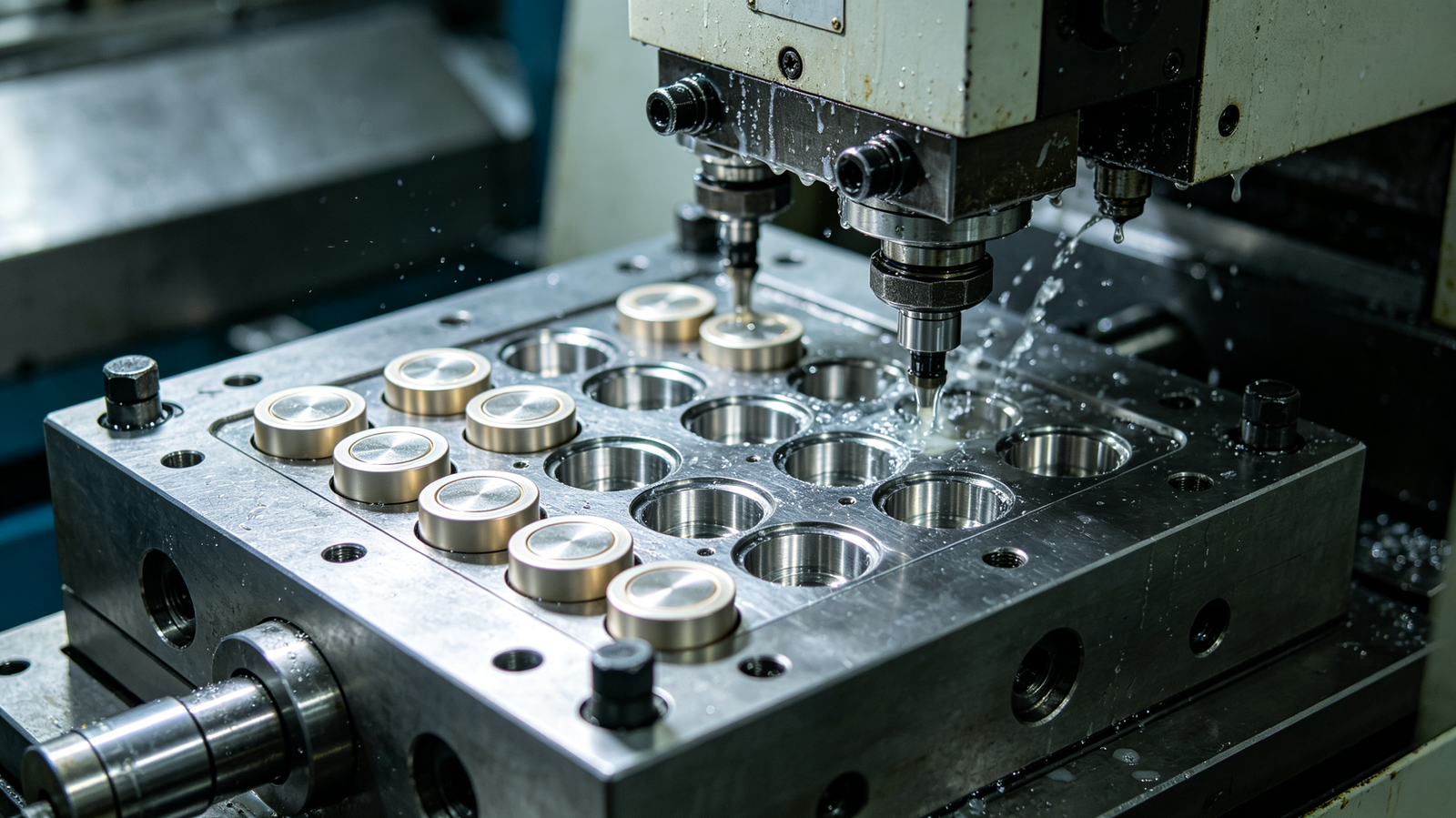
The mold is cut from steel or aluminum using CNC machining, EDM, and other precision processes. The choice of steel affects mold life, cost, and production speed.
4. Trial and Sampling
The first samples are produced using the new mold. These samples are checked for dimensions, appearance, fit, and function. Adjustments are made if needed.
5. Mold Modification
If the samples do not meet requirements, the mold is modified. This may involve changing the gate, adjusting cooling, or polishing the surface.
6. Mass Production
Once the samples are approved, the mold is ready for mass production. The mold is installed on an injection molding machine, and production begins.
Mold Cost Structure
Mold cost depends on several factors:
- Size and complexity: Larger, more complex molds cost more.
- Number of cavities: A multi-cavity mold produces more parts per cycle but costs more to build.
- Steel grade: Harder steel lasts longer but is more expensive.
- Surface finish: High-gloss or textured finishes require more processing.
- Tolerance requirements: Tight tolerances increase machining time and cost.
- Lead time: Rush orders may incur extra fees.
Typical mold costs for cosmetic packaging range from a few thousand dollars to tens of thousands of dollars, depending on the above factors. Some suppliers amortize the mold cost into the unit price, especially for large orders.
Mold Development Timeline
A typical mold development timeline:
- Design and 3D modeling: 3–7 days
- Mold design and engineering: 5–10 days
- Steel machining: 15–30 days
- Trial and sampling: 3–7 days
- Modification (if needed): 5–10 days
- Total: 4–8 weeks
This timeline can be longer for complex designs or if multiple revisions are needed. Always build buffer time into your launch schedule.
Mold Ownership and Maintenance
Who owns the mold? This is an important question. In most cases, the buyer pays for the mold, so the buyer owns it. However, some suppliers keep the mold and only grant usage rights. Make sure the ownership terms are clearly stated in your contract.
Mold maintenance is also important. Molds wear out over time. Regular maintenance, cleaning, and polishing can extend mold life. Ask your supplier about their maintenance schedule and who is responsible for repairs.
Common Mistakes in Mold Development
- Skipping the sample stage: Always approve a sample before mass production.
- Not defining tolerances: Without clear tolerances, you may get parts that do not fit.
- Choosing the cheapest mold: A cheap mold may wear out quickly or produce inconsistent parts.
- Ignoring mold ownership: Clarify ownership and transfer terms before you pay.
- Forgetting about mold storage: If you change suppliers, you need to move the mold. Make sure it is stored properly.
How to Work with Your Supplier on Mold Development
Your supplier should be a partner, not just a vendor. Ask them:
- Do you have in-house mold design and machining?
- Can you provide a mold flow analysis?
- What is your experience with cosmetic packaging molds?
- How do you handle mold modifications and maintenance?
- Can you provide samples at each stage?
- What are the payment terms for mold development?
A good supplier will guide you through the process, warn you about risks, and help you avoid costly mistakes.
How Bingoo International Supports Mold Development
Bingoo International is a professional packaging supplier based in China. We work with reliable mold makers and injection molding factories to develop custom cosmetic packaging. We can support you from design concept to 3D modeling, mold making, sampling, and mass production.
We supply custom bottles, jars, acrylic components, pumps, droppers, and complete packaging solutions. Whether you need a simple modification to an existing mold or a completely new design, we can help you find the right solution.
Conclusion
Mold development is a significant investment, but it gives you a unique product that stands out in the market. Understand the process, cost, timeline, and ownership terms before you start. Work with a supplier who has experience in cosmetic packaging molds and who communicates clearly. If you are ready to develop a custom mold for your packaging, contact us today.
FAQ
Q: How much does a cosmetic packaging mold cost?
A: It depends on size, complexity, number of cavities, steel grade, and surface finish. Costs range from a few thousand to tens of thousands of dollars.
Q: How long does mold development take?
A: Typically 4–8 weeks from design approval to mass production. Complex designs may take longer.
Q: Who owns the mold after production?
A: In most cases, the buyer who pays for the mold owns it. However, terms vary. Always clarify in your contract.
Q: Can I modify an existing mold?
A: Yes, many suppliers can modify existing molds for new colors, finishes, or minor design changes. This is usually faster and cheaper than making a new mold.