
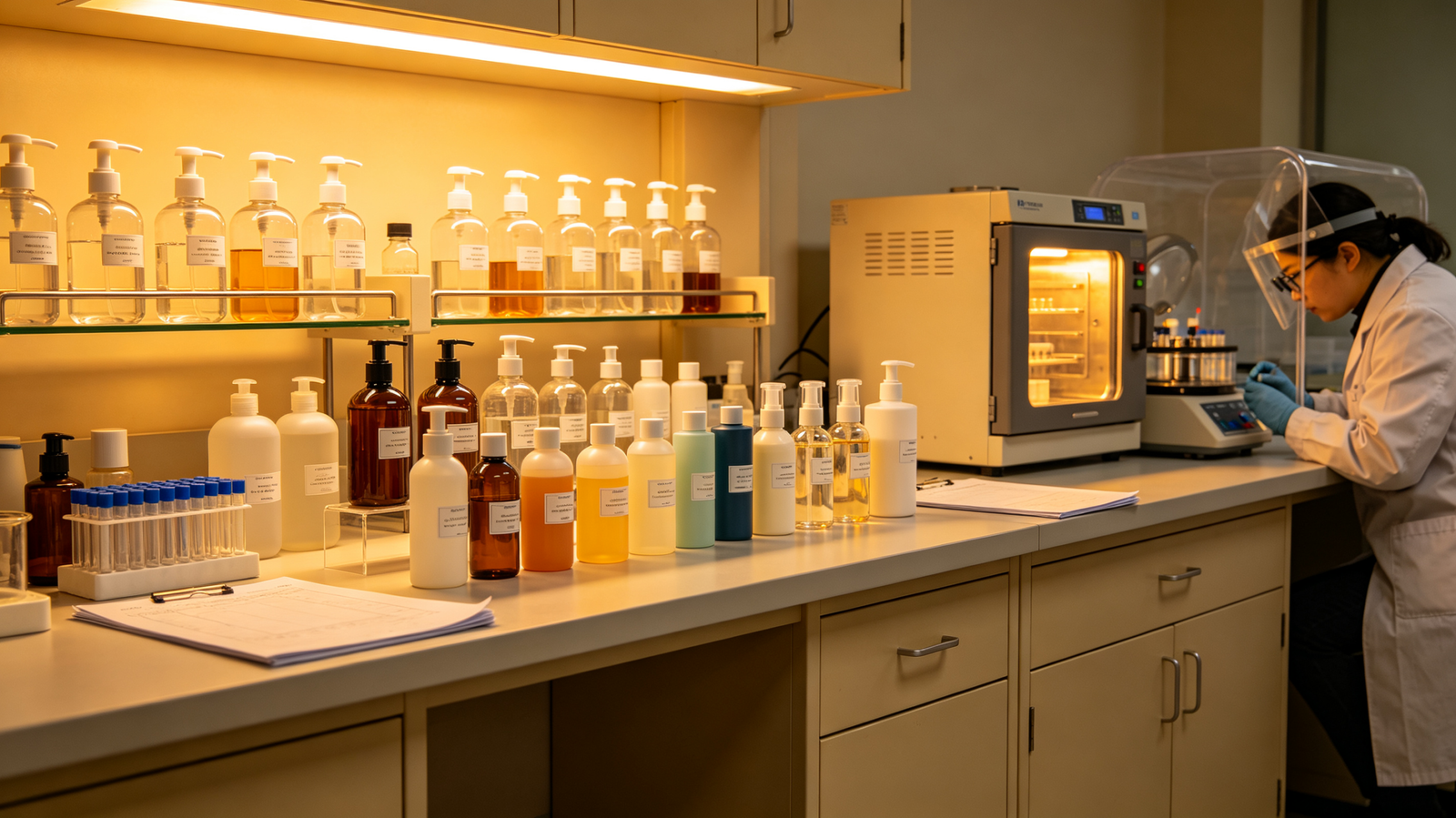
Introduction
For cosmetic brands, the bottle is not just a container. It protects your formula, communicates your brand image, and shapes the customer experience. Whether you are launching a new skincare line or expanding your product range, choosing the right custom cosmetic bottles is a critical decision. This guide will walk you through the key factors, from materials to suppliers.
1. Understand Your Product Needs
Before designing a bottle, you need to consider your formula.
- Viscosity: Is it a thin serum or a thick cream? This determines whether you need a dropper, pump, or spray.
- Volume: What size will your customers prefer? Common sizes are 30ml, 50ml, and 100ml.
- Compatibility: The bottle material must not react with your formula. Some ingredients require specific types of glass or plastic.
2. Choose the Right Material
The material affects both the look and the cost of your bottles.
- Glass: Premium, recyclable, and ideal for high-end skincare. It offers a luxurious feel and good chemical stability.
- Plastic: Lightweight, durable, and cost-effective. Good for mass-market products and travel-friendly items.
- Acrylic: Clear, glossy, and often used for high-end makeup and thick creams. It mimics the look of glass at a lower weight.
3. Consider Design and Dispensing Options
Your bottle design should match your brand identity.
- Dropper bottles: Best for serums and oils. They offer precise dosing.
- Pump bottles: Suitable for lotions and cleansers. They are hygienic and easy to use.
- Spray bottles: Ideal for toners and facial mists.
- Airless bottles: Great for anti-aging products. They protect the formula from air and bacteria.
You can also customize the bottle shape, color, cap, and label to make your product stand out on the shelf.
4. Explore Customization Options
Custom cosmetic bottles can be tailored in many ways:
- Color: Frosted, matte, glossy, or custom Pantone colors.
- Printing: Silk screen, hot stamping, labeling, or digital printing.
- Decorations: Electroplating, sandblasting, or UV coating.
- Components: Different pumps, droppers, and caps to match your design.
5. Check Quality and Compliance
Cosmetic bottles must meet safety and quality standards. Key checks include:
- Leak-proof and airtight seals
- Non-toxic, cosmetic-grade materials
- Compatibility with your formula
- Compliance with FDA (US), EU cosmetic regulations, and other local laws
Always request samples and arrange a pre-shipment inspection before bulk production.
6. How to Choose a Reliable Supplier
A good supplier can help you reduce costs, improve quality, and speed up production. Look for a supplier with:
- Experience in cosmetic packaging
- Certifications such as ISO or SGS
- Flexible MOQ for small brands
- OEM/ODM capabilities
- Good communication and fast response
Bingoo International is a professional packaging supplier based in China. We specialize in high-end bottles, jars, boxes, and custom cosmetic packaging. We work with reliable factories to provide quality products at competitive prices. Whether you need a small trial order or large-scale production, we can help you find the right solution.
Conclusion
Choosing the right custom cosmetic bottles takes time, but it is worth the effort. Focus on your product, brand, and target market. If you need help sourcing custom bottles, contact us today. We will help you from design to delivery.
FAQ
Q: What is the MOQ for custom cosmetic bottles?
A: It depends on the material and design. Usually, MOQ starts from 3,000 to 10,000 pieces. Contact us for exact details.
Q: Can you print our logo on the bottles?
A: Yes, we offer silk screen, hot stamping, labeling, and other custom printing options.
Q: Can I get samples before placing a bulk order?
A: Yes, we provide samples for quality confirmation. Sample fees and shipping costs may apply.